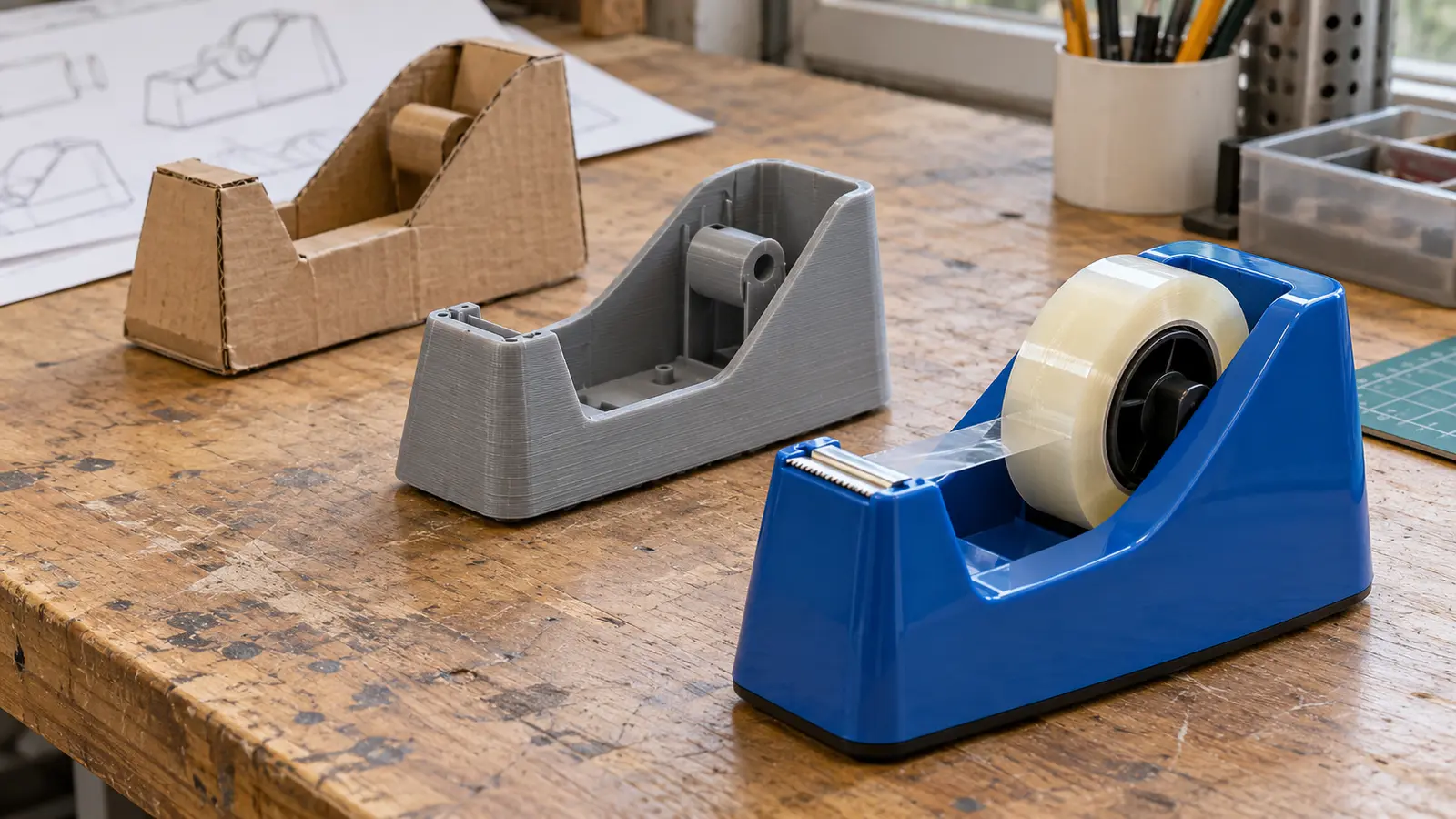
Turnkey product development is a model where one manufacturing partner carries a product from an early concept through design for manufacturability (DFM), prototyping, tooling, and the first production run.
The company bringing the idea does not have to manage separate designers, prototypers, toolmakers, and factories on its own.
That definition covers the mechanics of the arrangement, but it skips the part that decides whether a product succeeds or stalls.
A sketch, a computer-aided design (CAD) file, or a rough prototype is not the same thing as a design a factory can build at volume without surprises.
The distance between those two things is where most product timelines slip, and it is where a genuinely turnkey partner earns its keep.
The four gates below show what needs to be settled before you commit to the next stage of the build.
Key takeaways
- Start before design lock. Product development begins earlier than production-only manufacturing.
- Set the brief. Define volume, target cost, material, key tolerances and the use environment.
- Review manufacturability. Resolve process and material issues before committing to tooling.
- Choose prototypes by risk. Test the form, fit or function that matters for your product.
- Qualify first production. Check first-off parts and record the results before volume production.
Turnkey Product Development vs. Turnkey Manufacturing
Turnkey product development starts before the design is finished. Turnkey manufacturing usually starts once the design is ready to produce.
The two terms get used interchangeably, but they describe different scopes. Turnkey manufacturing, covered in what is turnkey manufacturing, typically starts once a design already exists and is ready to be produced.
Turnkey product development starts earlier, while the design is still being shaped and proven out before a single production tool is cut.
A company doing turnkey product development is also doing turnkey manufacturing by the time the product ships, but the reverse is not automatically true. A factory that only builds to a finished print is not doing product development, even if everything downstream of that print is handled in house.
What is the difference between turnkey product development and turnkey manufacturing?
Turnkey product development starts earlier, while the design is still being shaped and validated. Turnkey manufacturing typically starts once a design is already finished and ready to be produced.
A company doing product development usually also handles the manufacturing that follows.
Gate 1: Turning a Concept Into a Production-Ready Design Brief
Turn the starting idea into a brief that defines what the product must do and how it will be made.
Every product built at volume starts as something less certain: a sketch, a competitor teardown, or a CAD model built without much thought for how it would actually be produced. The first real work in turnkey product development is translating that starting point into a brief a manufacturing engineer can act on.
That brief specifies:
- Volume. Intended production quantity.
- Cost. Target unit cost.
- Material. Expected material.
- Tolerances. The dimensions that actually matter.
- Use environment. The conditions the part will live in.
This is where a lot of self-managed projects lose weeks without realizing it, because manufacturing input arrives too late to change the design cheaply.
Gate 2: Design for Manufacturability (DFM) Review
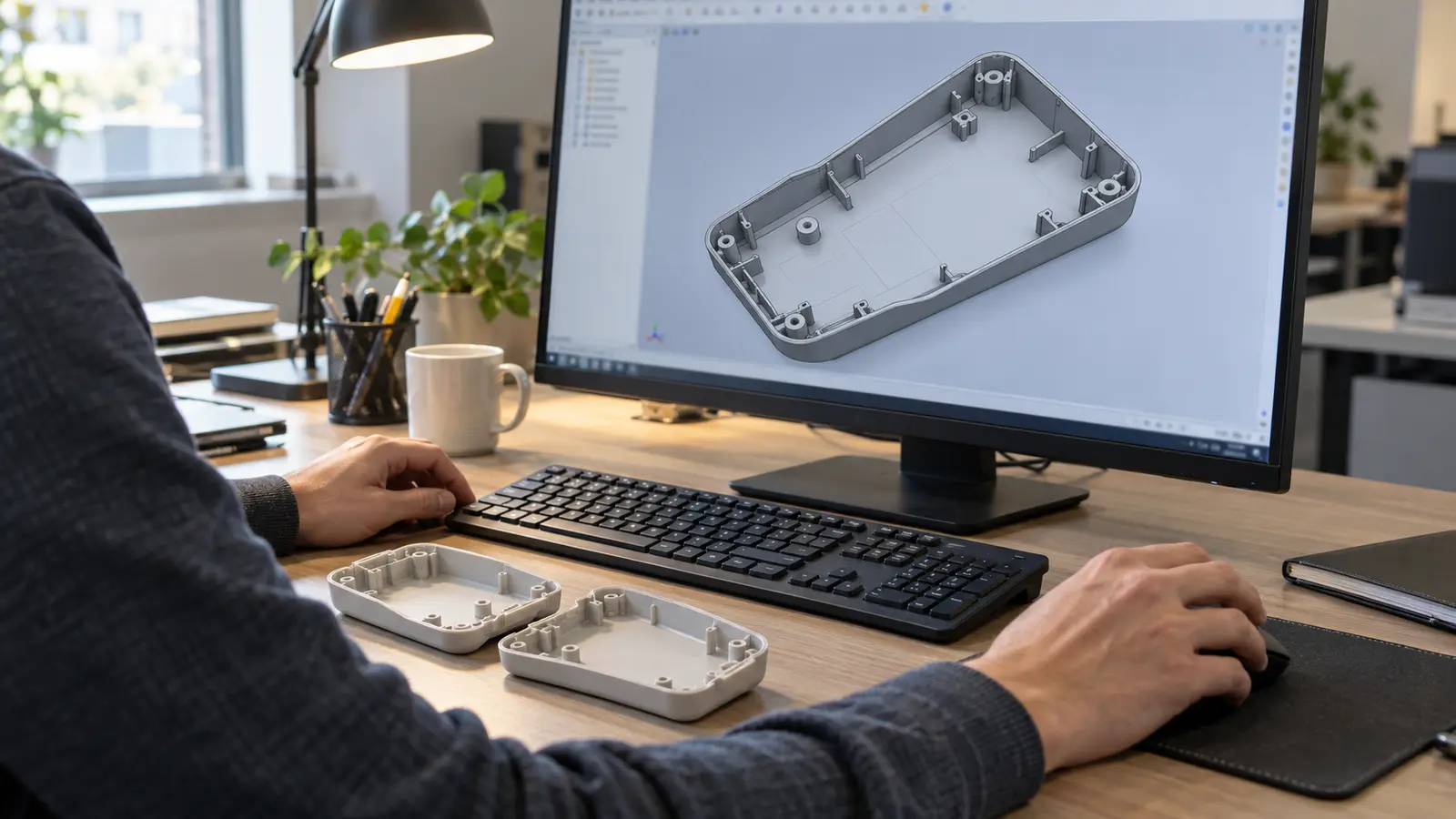
Design for manufacturability, or DFM, is the practice of reviewing a design against how it will actually be produced before that design is locked in. A DFM review checks wall thickness against the chosen process, draft angles on molded or cast parts, and whether a specified material is available at the volume the project needs.
Catching these issues here is not abstract. A tooling change during CAD review costs a few hours of engineering time.
The same change after a mold or die has been cut can mean scrapping tooling that took weeks to build. Meco’s published quote workflow gives a 15 to 30 percent cost reduction range for DFM tweaks.
Early review also helps avoid rework and scrapped first-run parts, but savings depend on the design and changes made.
What a Real DFM Review Actually Checks
A thorough DFM review confirms five things before a design moves to tooling:
- Wall thickness and draft. Both match the chosen process.
- Tolerances. Every toleranced dimension ties to a real functional reason.
- Material. The specified grade is available in the needed volume.
- Tooling scope. Undercuts and complex geometry are accounted for in the quote.
- Production process. The design has been checked against the actual production process, rather than a prototyping process that will not be used at volume.
Gate 3: Prototyping the Right Way for the Product
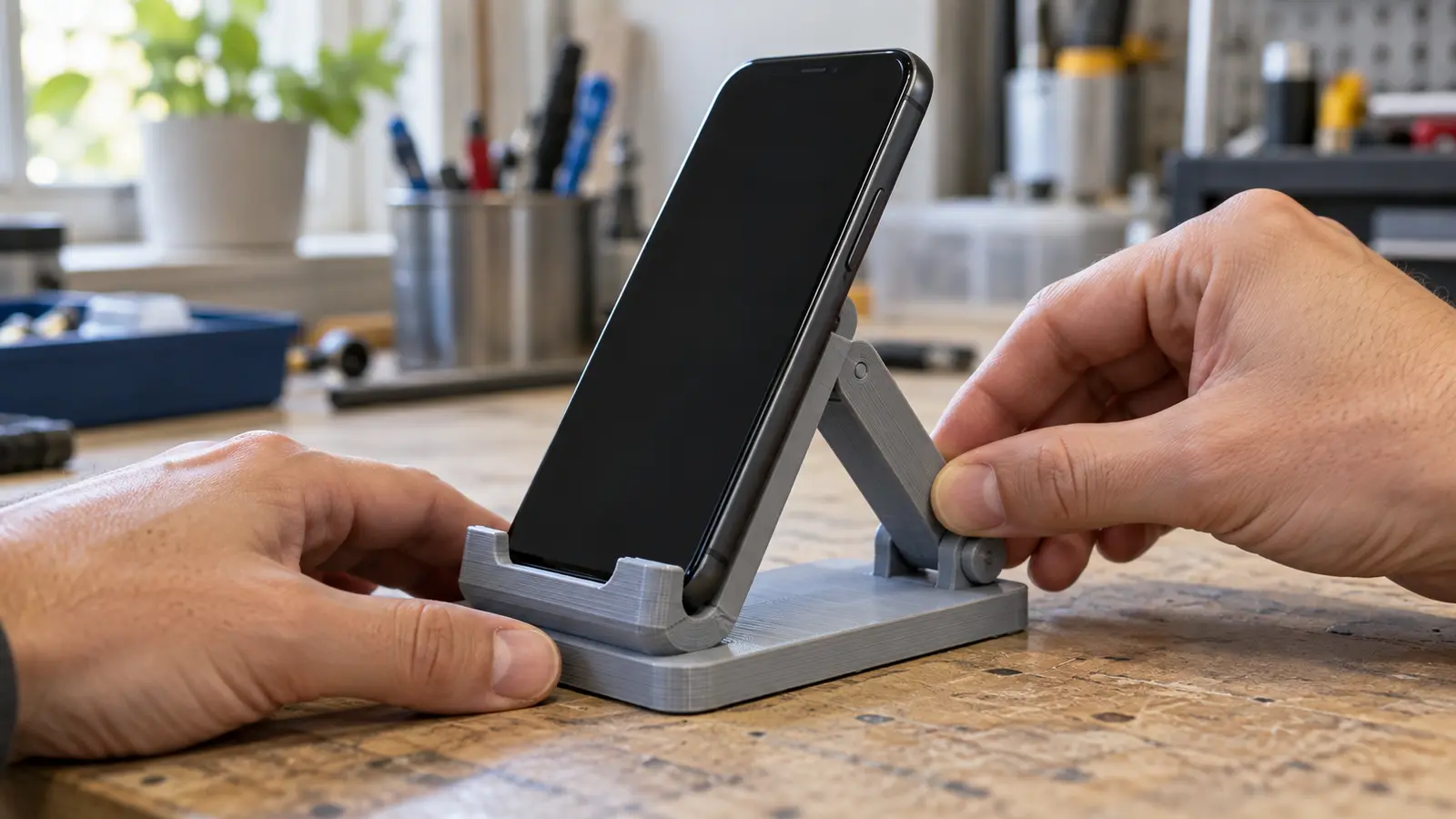
Once a design passes a DFM review, it still needs to be proven physically before production tooling. The common mistake is choosing a prototyping method based on speed or cost rather than what actually validates the risk that matters most for that product.
| Prototype Method | Best Used For | Weakest For |
|---|---|---|
| 3D printing: fused deposition modeling (FDM), stereolithography (SLA) and selective laser sintering (SLS) | Fit checks, form review, low-cost early iterations | Parts needing verified production-grade mechanical or thermal properties, unless the print process and material support them |
| CNC machined prototypes | Functional testing, parts needing production-material properties | Very high part counts where machining time per unit gets expensive |
| Soft or bridge tooling | Validating a design in the real production material ahead of hard tooling | Parts needing the exact finish or cycle time of hard production tooling |
Our CNC machining team runs functional prototypes in the same material grade as the eventual production part, so a mechanical test actually proves something. A program with more than one physical risk to validate often runs more than one method in sequence rather than expecting a single prototype to answer every question.
Choosing the right prototype method? Send your concept, target material and expected volume. Meco will review manufacturability and return DFM feedback with your quote.
Get DFM Feedback on Your DesignGate 4: Tooling and the First Production Run
Commit to tooling after design review and prototype trials, then check first-off parts against the drawing.
Once a design is reviewed and prototyped, the next commitment is tooling, the point in the process with the least room to correct mistakes afterward. Tooling cost and lead time vary by process, and knowing those ranges before committing avoids a mid-program budget surprise.
| Tooling Type | Typical Cost Range | Planning Lead Time |
|---|---|---|
| Injection mold tooling | Aluminum test mold $2,000 to $8,000, hard steel $20,000 to $80,000+ | 2 to 8 weeks |
| Die casting tooling | $20,000 to $150,000+ | 6 to 14 weeks |
| Sand and gravity casting tooling | Sand patterns $500 to $5,000, gravity dies $10,000 to $30,000 | Sand casting 4 to 8 weeks; gravity casting 4 to 10 weeks |
| CNC production fixtures and jigs | Generally the lowest tooling investment of the four | CNC machining 1 to 3 weeks; confirm fixture timing in the project quote |
Key Takeaway: A Prototype Is Not a Production-Ready Design
A part that looks and functions correctly as a prototype is not automatically ready for its first production run. Production readiness means the design has been validated in the real production process and material, and the tooling has been qualified against first-off parts measured to the print.
The first production run is where tooling gets qualified. First-off parts are measured against the engineering print, the process is adjusted if dimensions drift outside tolerance, and only then does a design earn the label production-ready.
This is also when a formal quality system, such as IATF 16949:2016, becomes relevant, since qualification data needs to be documented and traceable.
What happens during a first production run?
First-off parts are measured against the engineering print, and the process is adjusted if any dimension falls outside tolerance. Only after this qualification is a design considered production-ready.
How Meco Runs This as One Program
Meco carries a project through all four gates as one continuous program rather than four separate vendor relationships. Every quote includes DFM feedback, with a quote response under 24 hours, so manufacturability concerns surface before a design is locked rather than after tooling has started.
With more than 40 in-house processes spanning CNC machining, die casting, injection molding, and assembly, prototypes and first production runs happen inside facilities Meco controls directly.
There is no minimum order quantity, so a program can move from a handful of prototype units to a first run of any size, from roughly 10 pieces to 10,000,000 or more, without switching partners. Your design and tooling stay yours.
Meco does not produce your product for anyone else. A non-disclosure agreement (NDA) is available on request and can be signed before you share drawings or files.
You may move your design and tooling to another supplier at your own expense and arrangement.
What Turnkey Product Development Costs
Development cost depends on tooling, part complexity and the changes needed to make the design suitable for production.
How DFM Can Affect Cost
Meco’s published quote workflow gives a 15 to 30 percent cost reduction range for DFM tweaks. Early review can help avoid tooling rework and scrapped first-run parts. This range is not a guaranteed reduction in the total cost of every development program.
There is no single number for what turnkey product development costs, because tooling type and part complexity vary too widely across products. Tooling is typically the largest capital expense in the program.
For a detailed breakdown of what drives part cost once a design is locked, the complete metal part pricing guide explains the main cost factors.
When to Bring In a Turnkey Partner (and When Not To)
Turnkey product development fits best when a design is not yet locked, when more than one manufacturing process is likely involved, or when a team lacks in-house manufacturing engineering to run a DFM review itself.
It is less necessary when a design is already specified, tooled, and validated, and the only remaining need is production capacity.
When should you bring in a manufacturer during product development?
Ideally before the design is locked, so manufacturing input can shape decisions about material, tolerance, and process during the DFM stage rather than being applied as a fix after tooling has already been committed.
Where to Go Next
Choose the next step according to whether you have an idea, a rough prototype or a validated design.
If a concept is still an idea, how to get my invention made walks through the earliest steps. If a rough prototype already exists, how to make a prototype of your invention covers that stage directly.
If a prototype is validated and the next step is volume, prototype to production picks up where this article's fourth gate leaves off. For full-scope support once a design is production-ready, see whole product manufacturing.
Move Your Concept Toward Production
Meco reviews designs for manufacturability and carries them through prototyping, tooling and first production as one program.
- IATF 16949:2016. Certified quality system
- DFM with every quote. Engineering feedback before tooling
- No minimum order. 10 pieces to 10 million and more
- IP protection. NDA available before files are shared
Compare the manufacturing processes your design may need.
Get DFM Feedback on Your DesignReferences and sources
- International Organization for Standardization. A new evolution for quality management in the automotive industry. 9 August 2016.
Cost and lead-time figures are representative Meco planning ranges, not quotations. This article is general information, not legal or customs advice. Confirm written tooling terms with qualified legal counsel and any cross-border tooling transfer requirements with a licensed customs broker.
