
Turnkey manufacturing covers the agreed full build through delivery; contract manufacturing can cover one process or the whole product.
Compare scope, total cost, tooling ownership, lead time and quality responsibility on the same delivery basis. One machined bracket and a complete, packed product are different purchases, even if both suppliers call their work contract manufacturing.
Turnkey manufacturing and a single-process contract quote are not the same commitment. A contract manufacturer can take on one process step. A turnkey manufacturer manages the entire agreed build, from design review through final delivery, under one contract.
The two labels get used almost interchangeably in casual conversation. That loose usage causes problems once a quote lands. Before you send drawings to five suppliers or one, compare scope, cost, tooling ownership, lead time and risk.
Key takeaways
- Scope first. A supplier’s quote defines the work more reliably than its manufacturing label.
- Total cost. Include tooling, vendor coordination, shipping, assembly and corrective work when comparing offers.
- Ownership in writing. Tooling and design rights are contract terms; Meco keeps both customer-owned.
- One schedule. Turnkey planning coordinates processes but does not eliminate tool build or approval time.
- Product fit. A simple part may need one process; a multi-process assembly may benefit from one full-build partner.
What Is Contract Manufacturing?
Contract manufacturing means a supplier builds a defined part or product to your drawings and specifications. Its scope can cover one process or a full build. For a single-process order, you still manage the work before and after that step.
A CNC shop that machines a bracket to a print, then ships the raw parts back, is a contract manufacturer in the narrowest sense. You still arrange finishing, assembly, packaging and freight.
What is contract manufacturing covers the model in more depth, including its overlap with private labeling and original equipment manufacturer (OEM) work.
What Is Turnkey Manufacturing?
Turnkey manufacturing is a full-scope form of contract manufacturing. One supplier manages design review, sourcing, tooling, production, assembly and delivery under one quality system. You sign one contract instead of managing several vendors for those steps.
Meco’s turnkey manufacturing guide explains the six-stage process, from engineering review through global delivery. Here, the comparison focuses on where a narrow process quote and a complete build differ in scope, cost and risk.
Managing the build does not mean owning your product. Your design and tooling stay yours.
Turnkey vs Contract Manufacturing: Key Differences at a Glance
The main difference is the scope you buy, rather than the supplier’s label. Every full turnkey program includes contract manufacturing, but a contract quote may cover much less. This table compares a single-process purchase with a complete turnkey build.
| Factor | Contract Manufacturing | Turnkey Manufacturing |
|---|---|---|
| Scope of work | One process, such as machining or molding | Design through delivery, across every process the product needs |
| Vendors you manage | Often two or more, one per process | One supplier for the full build |
| Design input | DFM support depends on the quoted scope | DFM is part of the agreed review; Meco includes feedback with every quote |
| Tooling ownership | Varies by vendor and contract | Depends on the agreement; at Meco, your design and tooling stay yours |
| Quality accountability | Each vendor answers only for its own step | One quality system covers the whole build |
| Typical fit | A single, well-defined part in modest volume | A multi-process product or a full assembly |
Scope of Work: One Process vs. the Whole Build
A single-process quote can stop at a finished but unassembled part; a turnkey quote covers the agreed shippable product.
A narrow contract quote may cover CNC machining or die casting. Check whether it also includes finishing and the next production step, rather than assuming those services are included.
A turnkey quote covers the work needed to reach the agreed delivery state. That can include mechanical assembly and, for a product with a control board, PCB design and assembly. PCB means printed circuit board.
The wider the supplier’s in-house process list, the fewer handoffs sit between your design file and a finished product. Scope still needs to be explicit in the quote.
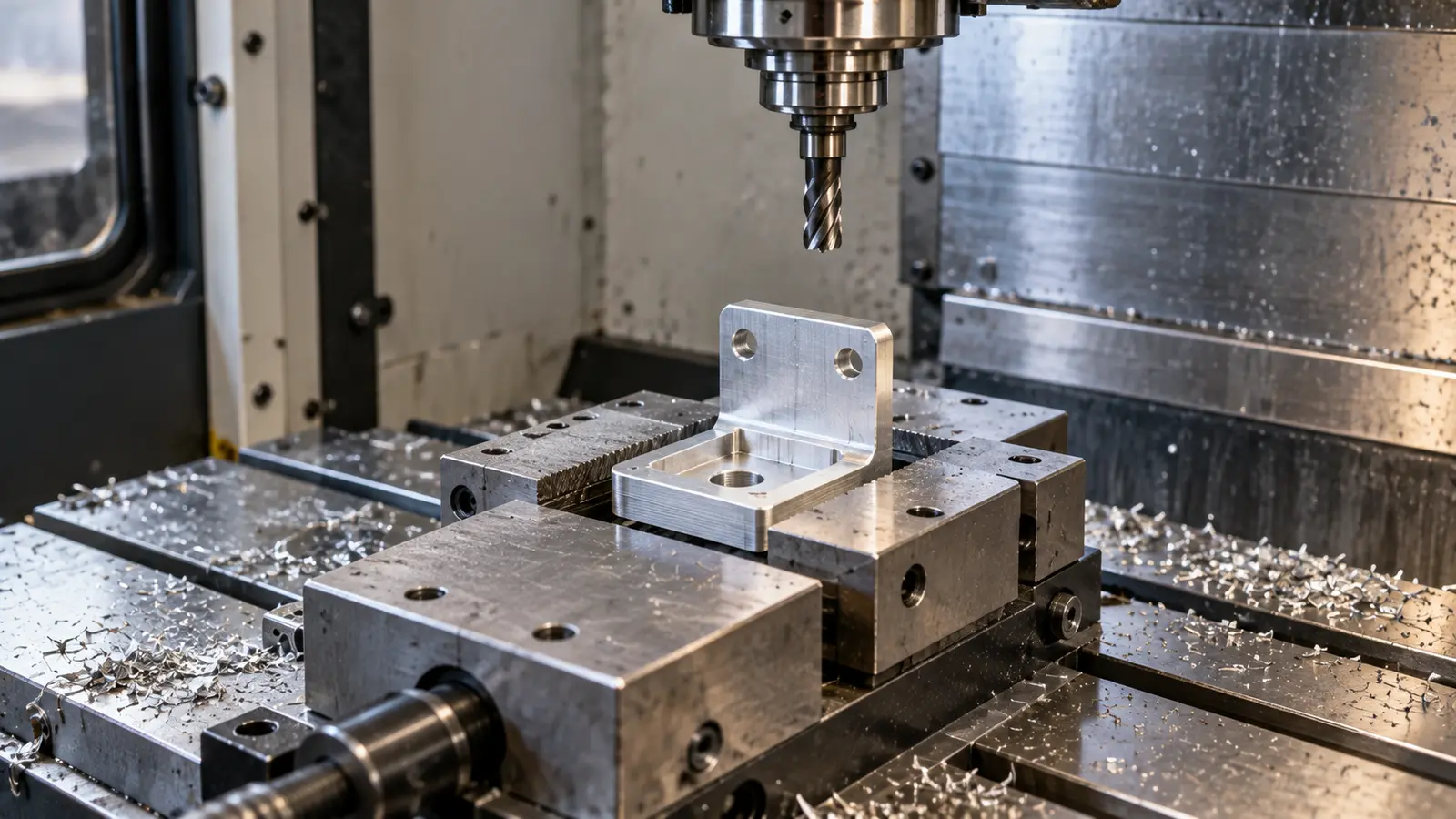
Cost Comparison: Turnkey Manufacturing vs. Contract Manufacturing
Compare total cost for the same deliverable, rather than one process price against a complete build. A single contract line item can look cheaper because it prices less work. That comparison misses your cost of managing the other vendors the product needs.
Tooling can be a major upfront cost in either model, and it varies widely by process. A CNC fixture may cost a few hundred dollars. A large or complex hard steel mold or die-casting die can cost tens of thousands of dollars or more.
The process-specific ranges below give a better starting point than one combined mold-and-die estimate. Design for manufacturability (DFM) feedback helps identify which tooling and process route the part needs.
| Process | Typical Tooling Cost | Planning Lead Time |
|---|---|---|
| CNC machining | Fixtures, generally $0 to $1,000 | 1 to 3 weeks |
| Injection molding | $2,000 to $80,000+, aluminum to hard steel | 2 to 8 weeks for tooling; 4 to 8 weeks for the quoted molding process |
| Die casting | $5,000 to $150,000+; larger or complex dies may fall in the $20,000 to $150,000+ band | 6 to 14 weeks |
Meco’s metal part pricing guide covers per-part material, volume and finish factors. Add the coordination cost that does not appear on a supplier’s invoice: managing three vendor relationships instead of one still uses your team’s time.
Also compare shipping between suppliers, inspection, assembly and the cost of resolving a fit problem. Turnkey scope can reduce handoffs, but it does not guarantee the lowest price for every product.
Cost figures are representative planning ranges, not quotations. Confirm the currency, scope, tooling details and delivery terms in your project quote.
Tooling Ownership: Who Owns the Mold or Die?
Tooling ownership depends on the written agreement, not the manufacturing label. Confirm ownership and access before paying a deposit. Separate who owns the mold or die from who stores, maintains and operates it.
At Meco, your design and tooling remain yours. You may move them to another supplier at your own expense and arrangement. Meco does not impose additional transfer conditions or produce your product for anyone else.
Do not assume another supplier follows the same policy. Ask whether its agreement ties tool release to payment, a volume commitment or other terms. Record who arranges removal, shipping and any required maintenance.
How to choose a turnkey manufacturing company lists tooling, quality-system and audit questions to ask before you sign. Meco can sign a non-disclosure agreement (NDA) on request before you share drawings or files.
This article is general information, not legal or customs advice. Have contract terms reviewed by qualified legal counsel, and confirm any cross-border tooling-transfer requirements with a licensed customs broker.
Lead Time: How Fast Can Each Model Move?
A turnkey schedule coordinates all processes, while a narrow contract lead time covers only the quoted step. A CNC-machined part may take 1 to 3 weeks, while an injection-molded component may follow a 4 to 8 week process schedule. Those clocks do not automatically align.
A turnkey supplier sequences the work against one production plan. The slowest stage can set the pace: die-casting tooling may take 6 to 14 weeks. Confirm whether quoted weeks include tool build, sampling, approval, production and freight.
The benefit is a coordinated schedule, rather than a faster physical process. It can prevent faster parts arriving before the slower parts needed for assembly, but it does not remove tooling or approval work.
Need to compare one process with a full build? Meco can review the drawings, process route and quoted scope. An NDA is available on request before you share files.
Get DFM Feedback on Your DesignRisk and Accountability: Who Answers When Something Goes Wrong?
Turnkey scope gives you one supplier accountable for the agreed build; separate process orders leave you managing the interfaces.
With several vendors, a defect must be traced to the step that caused it. A problem where two parts meet can become a dispute about whose tolerance was wrong. A full-build partner manages that interface under one quality system.
The same choice appears in assembly programs. In consignment assembly, you supply components and retain responsibility for sourcing them. In turnkey assembly, the supplier sources the agreed components and manages the assembled outcome.
Meco’s contract assembly services explains both routes. In either model, agree incoming-part checks, acceptance criteria and responsibility for corrective action.
Turnkey Manufacturer vs. Contract Manufacturer: Reading a Quote Correctly
The quote is the practical test of scope. The words “turnkey manufacturer” and “contract manufacturer” are used loosely in sales conversations. Check whether the quote includes assembly, testing and packaging, or stops at a bare part.
Compare the same delivery boundary
Ask both suppliers to state what you receive and what remains your responsibility:
- Production scope. Materials, tooling, machining or molding, finishing and bought-in components.
- Release scope. Assembly, inspection, functional testing and approval records.
- Delivery scope. Protective packaging, freight and the agreed handoff point.
OEM and original design manufacturer (ODM) labels add a separate question: who owns the design or product platform? They do not tell you how many processes a supplier runs. Contract manufacturer vs OEM explains that distinction.
How to Decide Which Model Fits Your Product
Choose a single-process supplier for a well-defined part; consider turnkey scope when the product needs several coordinated steps.
A simple part in modest volume, made by one process with a vendor you trust, may not need a full turnkey program. One machined bracket does not automatically justify the extra scope.
These signals point toward a full turnkey manufacturer rather than a supplier for one step:
- Multiple processes: the product needs two or more of machining, molding, casting, or assembly to reach a finished state.
- Limited internal sourcing capacity: your team does not have the bandwidth to qualify and manage several vendors at once.
- Tolerance stack risk: a mechanical part has to fit closely against an electronic assembly or another supplier's component.
- IP sensitivity: you want one signed NDA covering the full build instead of a separate agreement with every vendor who sees the design.
Meco’s whole product manufacturing connects design review, tooling, production across multiple processes, assembly and global delivery. The program operates under an IATF 16949:2016 certified quality system with no minimum order quantity.
For this comparison, Meco’s 40+ in-house processes matter because the route can connect metal parts, plastic parts and assembly under one management structure. Start with the deliverable and work backward to the processes it needs.
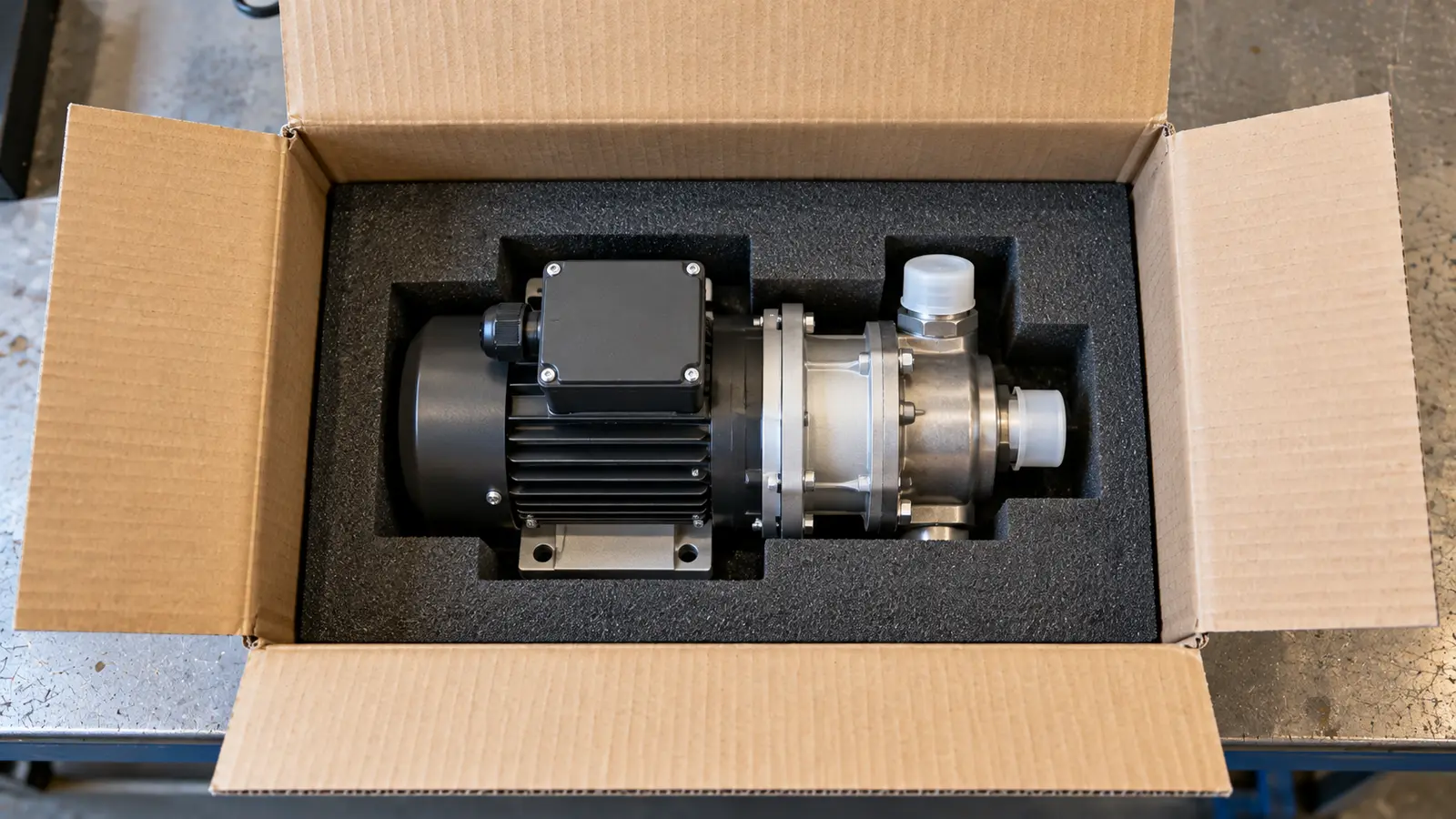
For quality records, agree what the build needs: first article inspection (FAI), production part approval process (PPAP) documents, coordinate measuring machine (CMM) reports and material traceability, where applicable.
Compare Your Manufacturing Scope
Meco can quote one process or a complete build around your product requirements, target quantity and delivery needs.
- Engineering. DFM feedback is included with every quote.
- Process coverage. 40+ in-house manufacturing processes.
- Quality. IATF 16949:2016 certified.
- Production. Owned facilities in Thailand and China, with no minimum order quantity.
- IP protection. An NDA is available before file sharing; your design and tooling stay yours.
