Custom Hot Forging Services
Meco’s hot forging solutions turn raw metal into high‑integrity components engineered for strength, durability, and performance.

Why Choose Meco for Hot Forging?
Engineers choose Meco not just for raw forging, but for our ability to deliver fully finished components backed by deep process expertise and robust quality assurance.
Complex Geometric Capability
Heated metal’s high malleability enables forging multi-dimensional, complex shapes while maintaining structural integrity.
Enhanced Mechanical Properties
The process refines the grain structure and heals voids, resulting in parts with significantly higher impact strength and ductility compared to casting or machining.
Turnkey Manufacturing Solution
From die creation and forging to heat treatment, precision CNC machining, and finishing—Meco manages the full production process for a streamlined supply chain.
Assured Quality & Reliability
Guided by our IATF 16949-certified system, we ensure every component meets the highest safety and performance standards.
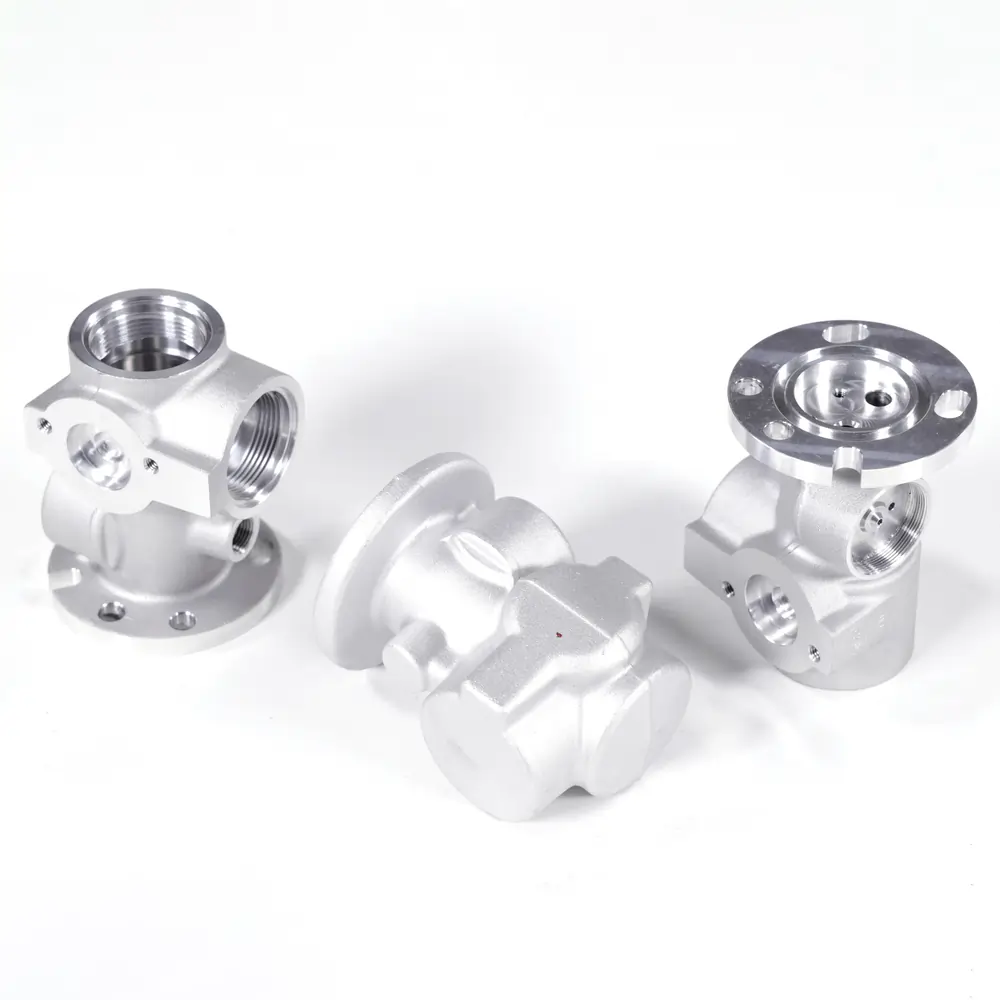
Hot Forging Parts Gallery
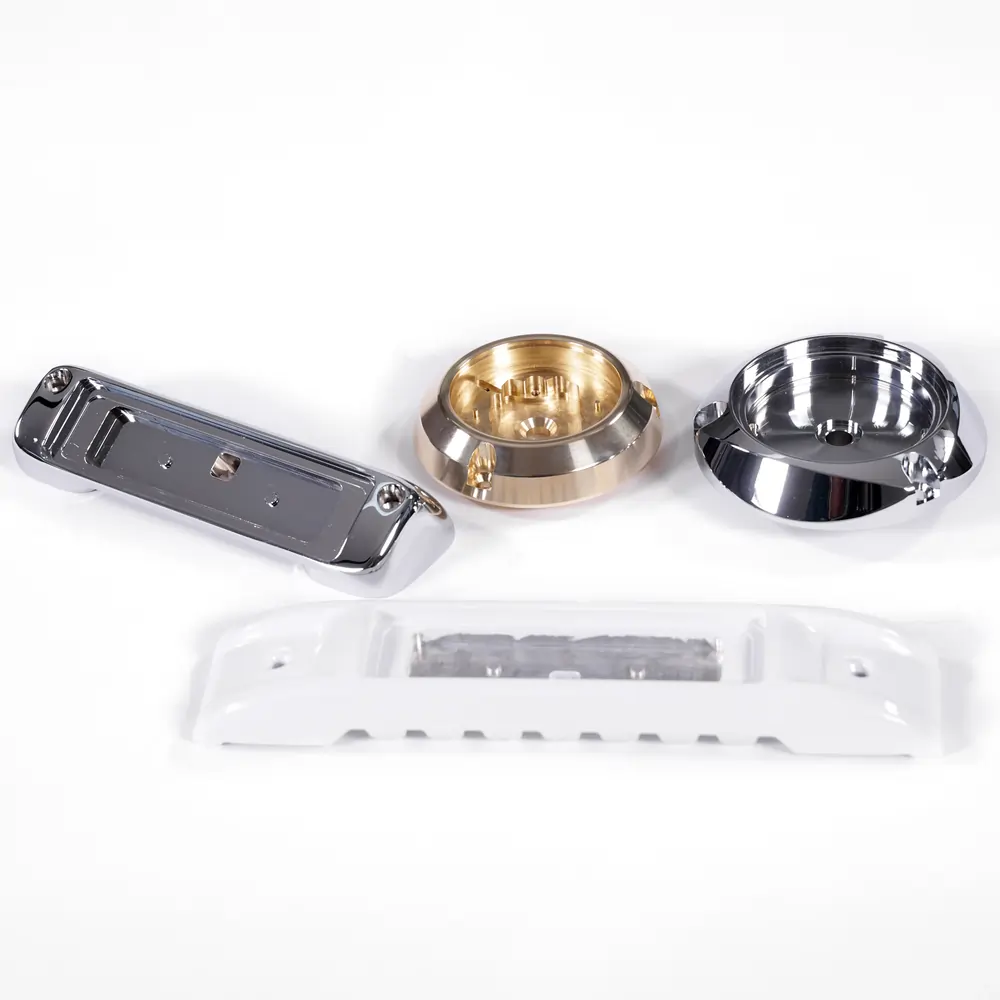
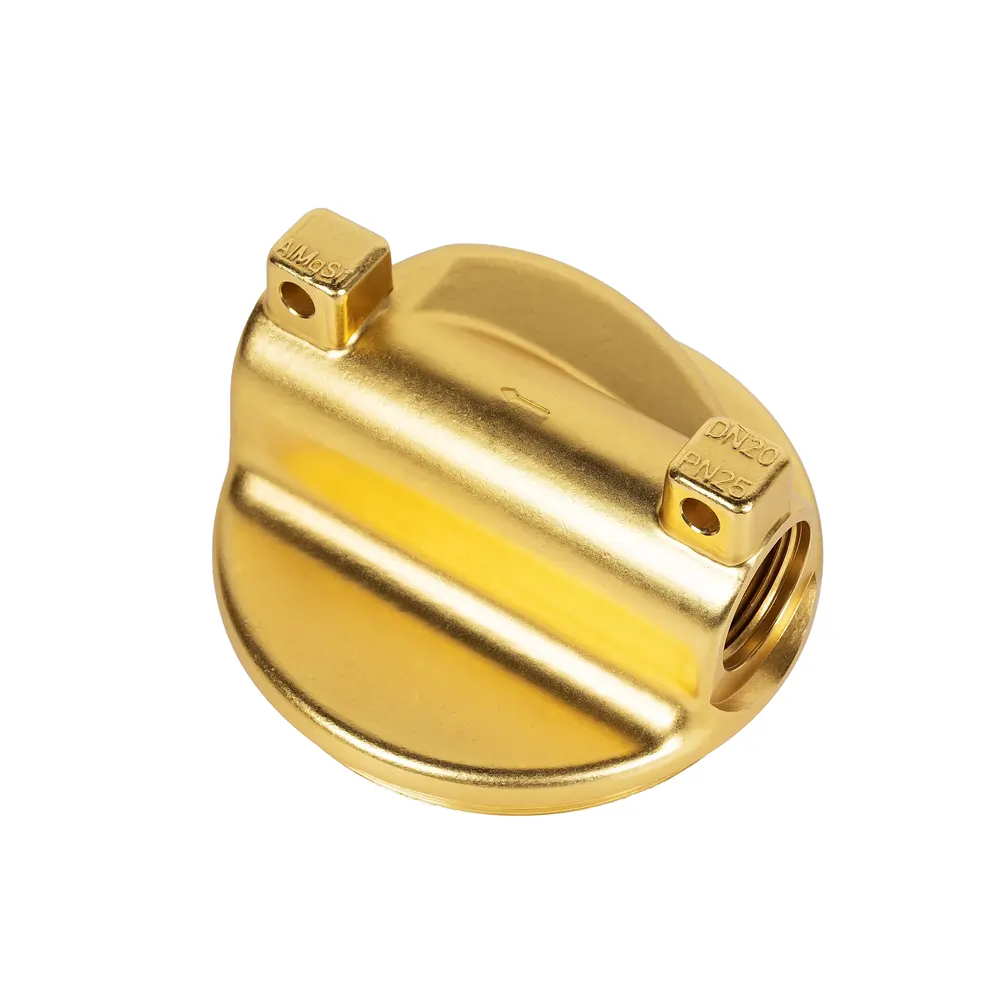
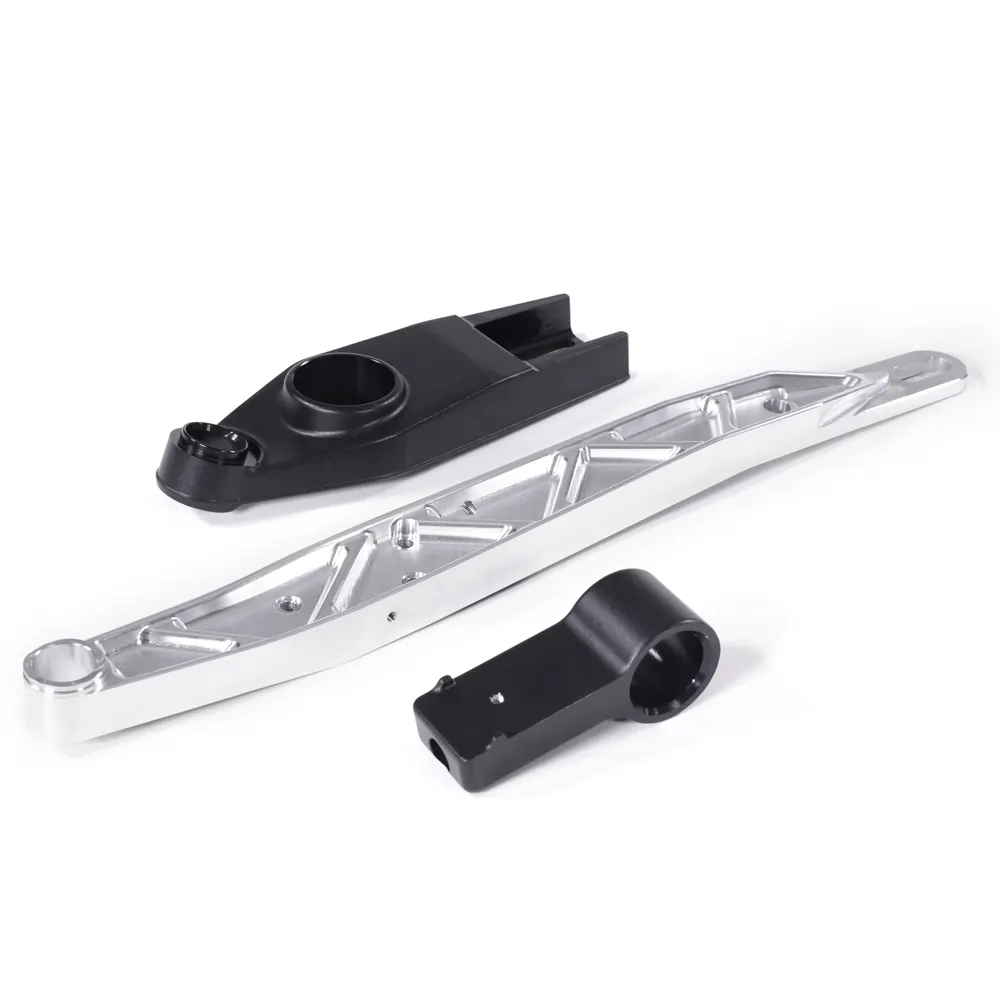
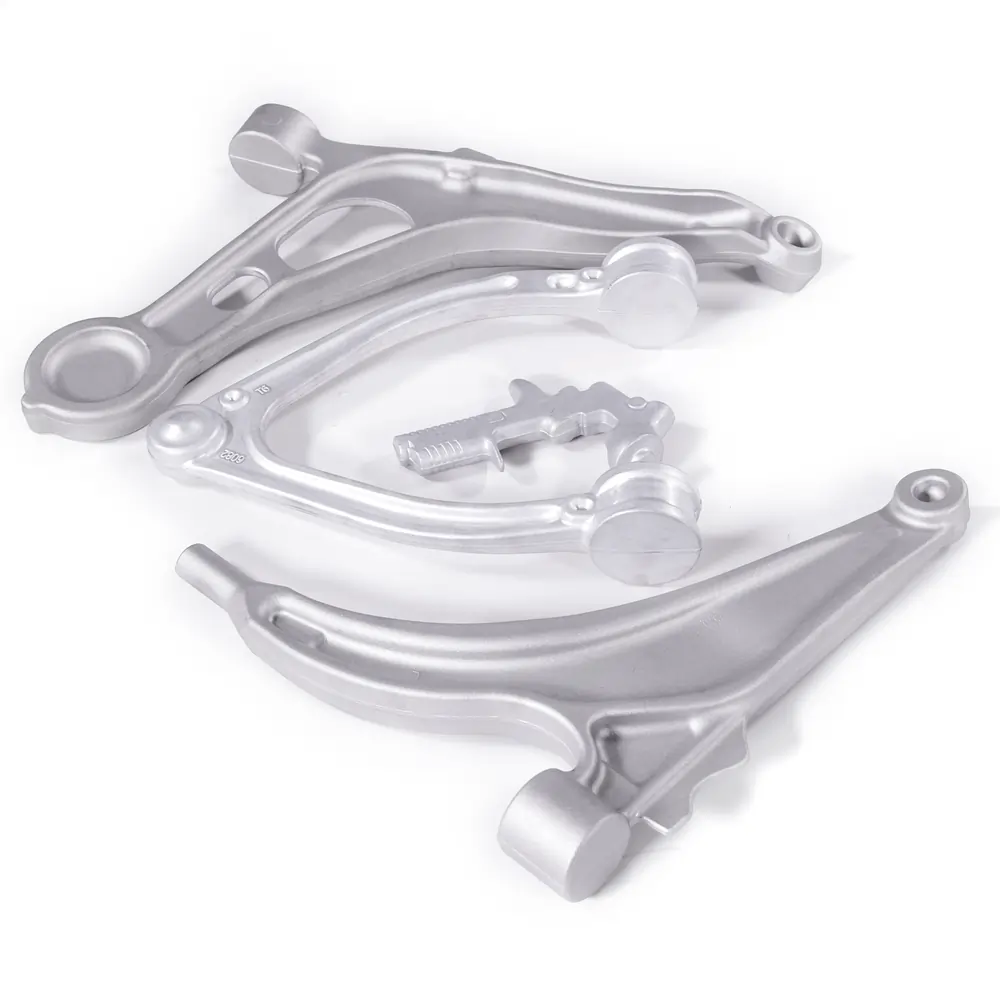
Hot Forging Materials and Capabilities
Custom Hot Forging Solutions
Meco provides custom hot forging services engineered for demanding industrial applications. By heating metal above its recrystallization temperature, we achieve superior grain flow, optimized impact strength, and metallurgical consistency for components exposed to extreme stress and fatigue.
Aerospace
Meco's hot forgings deliver exceptional strength-to-weight ratios and unbroken grain flow. We produce critical components like landing gear, turbine shafts, and structural brackets that demand absolute reliability under extreme thermal and mechanical loads.
Aerospace CapabilitiesAutomotive
Our hot forging process ensures dependability under high dynamic stress. We produce crankshafts, connecting rods, and suspension arms for conventional and electric vehicles, offering superior fatigue life compared to machined or cast alternatives.
Automotive CapabilitiesHeavy Equipment
Large-format hot forgings, such as axles, joints, pins, and hydraulic links, are optimized for cyclic strength and wear resistance. These components are essential for dozers, cranes, and mining equipment operating in harsh environments.
Heavy Equipment CapabilitiesAppliances
We supply precision-forged shafts, hinges, and motor couplings that withstand repetitive motion and vibration. Hot forging improves the durability and lifecycle performance of critical moving parts in major household appliances.
Appliance CapabilitiesIndustrial
Forged flanges, high-pressure valves, and mechanical hardware deliver reliable structural strength. Our hot forging ensures pore-free material integrity for automated plants and power systems where leak-proof performance is critical.
Industrial CapabilitiesLighting
Meco's lightweight forged components serve smaller machinery and fabricated assemblies. Hot forging allows for near-net shapes that reduce machining time while ensuring precise load handling and repeatable quality at scale.
Lighting CapabilitiesMedical
Stainless and titanium hot forgings support demanding surgical and diagnostic devices. Meco ensures uniform grain flow for superior biocompatibility, sterilization resistance, and long-term product reliability.
Medical CapabilitiesTelecommunications
We produce corrosion-resistant forged assemblies for antenna supports and outdoor enclosures. Hot forging creates dense, non-porous structures designed to maintain mechanical integrity in challenging outdoor environments.
Telecom CapabilitiesFurniture
Forged aluminum and steel bases, joints, and mounts combine aesthetic refinement with structural durability. Meco's forging precision ensures consistent alignment and high load capacity for premium office furniture.
Furniture CapabilitiesElectronics
Durable forged housings and heat sinks provide mechanical stability and thermal management for sensitive circuits. Hot forging allows for integrated features that blend electrical conductivity with high structural integrity.
Electronics CapabilitiesHot Forging vs Other Methods
Compare hot forging with cold forging and casting to understand which process best fits your part requirements. Each method provides unique advantages based on material properties, geometry, and performance demands.
| Feature | Hot Forging | Cold Forging | Casting |
|---|---|---|---|
| Geometric Complexity | Excellent | Fair to Good | Excellent |
| Part Size | Excellent for large parts | Best for small, high‑volume components | Suitable for all sizes |
| Strength & Toughness | Excellent – high integrity and fatigue strength | Good – hard but less ductile | Good to Fair – dependent on casting quality |
| Dimensional Tolerance | Good | Excellent | Fair to Good |
| Surface Finish | Good – smooth with additional machining | Excellent – fine surface quality | Fair to Good – may require finishing |
| Best For | High‑strength, complex, or large parts | Small, high‑precision, high‑volume parts | Intricate internal geometries or low‑stress parts |
Hot Forging FAQ
Why choose hot forging over cold forging?
Hot forging is chosen when the part geometry is complex or the part is very large. The high temperature makes the metal more ductile, allowing it to fill intricate die cavities. Cold forging is better for smaller, simpler parts where dimensional precision and surface finish are the top priorities.
What is "grain flow" and why is it important?
Grain flow refers to the internal grain structure of the metal aligning with the shape of the part during forging. This continuous, unbroken flow pattern eliminates weak spots and dramatically increases the part’s strength, ductility, and resistance to fatigue and impact.
What kind of machining allowance is needed for hot forged parts?
Hot forged parts require a small amount of extra material, or “machining allowance,” on surfaces that need tight tolerances. As a turnkey provider, MECO designs the forging dies to optimize this allowance, minimizing material waste and subsequent machining time.
What are the best materials for hot forging?
A wide range of ferrous and non-ferrous metals are ideal for hot forging, with steel being the most common. We frequently work with carbon steels, alloy steels, stainless steels, aluminum alloys, and titanium.
How to Get Started
Upload your 3D CAD models (STEP/IGES) and specify material, quantity, tolerances, and any surface finish or inspection requirements.
Engineering reviews your design for manufacturability, optimizing orientation, forging approach, and cost efficiency before issuing a quote.
Custom dies and tooling are manufactured, and forging parameters such as temperature, press force, and finishing operations are programmed.
Forged parts are produced, heat-treated, machined if required, and inspected against specifications, ensuring dimensional accuracy and mechanical integrity before shipment.
Need Stronger, More Durable Metal Parts?
Upload your forging design or part drawing and get a fast, accurate quotation from MECO’s engineering team.
