Casting Materials: Alloys We Pour, by Process
Aluminum, zinc, magnesium, steel, stainless, brass and bronze, cast across five processes in our own factories.
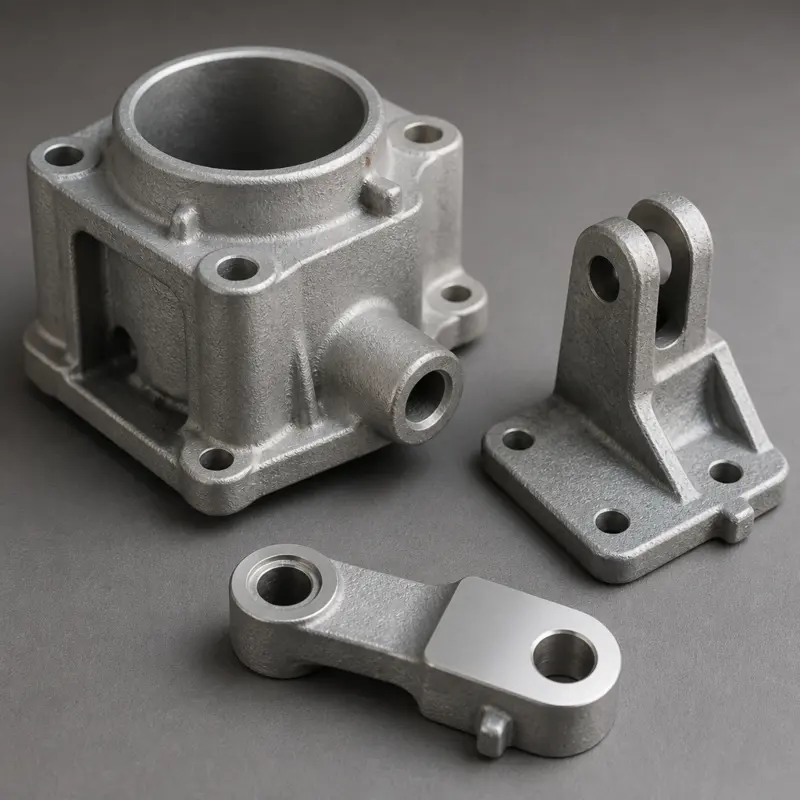
What Casting Materials Are Used in Production
Casting materials fall into two groups. Non ferrous alloys such as aluminum, zinc and magnesium are pushed into steel dies. Ferrous and copper alloys such as carbon steel, stainless, brass and bronze are poured into sand or ceramic shell molds.
Your alloy sets wall thickness, tolerance and tooling cost before the design is finished. Meco pours all of these in house across five casting processes, from 1 g to 100 kg, with no minimum order quantity.
This page lists the grades we actually run, not every grade that exists. For process selection, see the custom casting hub.
Metals
7 Families
Aluminum, zinc, magnesium, steel, stainless, brass and bronze, plus titanium in investment casting.
Part Weight
1 g to 100 kg
Electronics housings through structural castings.
Tightest Cast Class
ISO 8062 CT7
Gravity and low pressure. Machined features hold ±0.01 mm.
Documentation
EN 10204 3.1
Mill certificates, CoA, RoHS and REACH on request.
Swipe for all four
Casting Materials by Casting Process
Each process runs a different alloy set, because melting point and fill behaviour decide what the mold can survive. These are the grades we pour as routine production.
| Process | Alloys We Pour | Typical Parts |
|---|---|---|
| Die Casting | Aluminum ADC12, A360, A380, AlSi12, AlSi10Mg. Zinc Zamak 2, 3, 5 and 27. Magnesium AZ91D, AM50, AS41 | Thin wall housings, connectors, brackets, covers |
| Gravity Casting | Aluminum A356, ZL101, 319 | Dense heat treatable parts, manifolds, brackets |
| Low Pressure Casting | Aluminum A356 type | Wheels, suspension parts, pressure tight housings |
| Sand Casting | Aluminum A356 and ZL101, carbon steel, stainless, brass, bronze | Large parts, low volume runs, pump and valve bodies |
| Investment Casting | Carbon steel, stainless 316, 17-4PH, 420, 2205 and 2207, brass including naval brass C48500, bronze, titanium Grade 2/TA2 and Grade 5/TC4 | Small complex steel parts, valve trim, marine hardware, medical and aerospace fittings |
Scroll inside the table to see all rows and columns
Zinc and magnesium are die casting alloys only. Steel and titanium never die cast, so they run through sand or investment casting instead. For a grade level comparison across the three die casting metals, read which metal is best for die casting.
How to Choose a Casting Material
Start with the one requirement you cannot trade away. Weight, wall thickness, strength, corrosion life or pressure tightness. That single constraint removes most of the list before cost enters the conversation.
Magnesium AZ91D is the lightest alloy we pour. Zamak 3 fills the thinnest walls and holds the crispest as-cast detail. A380 is the balance point between strength and price. A356 suits pressure tight housings. Steel, stainless and titanium reach us through sand or investment casting, and where parts face saltwater or high corrosion duty, duplex stainless 2205 and 2207 or naval brass C48500 outperform standard 316 stainless and brass.
Annual volume then decides the process, and the process narrows the grade again. Where one feature has to hold tighter than the casting class allows, we cast near net shape and finish that feature on CNC machining.
| If Your Priority Is | Look At | Route |
|---|---|---|
| Lowest weight | Magnesium AZ91D, then aluminum A380 | Die casting |
| Walls under 1 mm | Zinc Zamak 3 and Zamak 5 | Die casting |
| Best all round cost | Aluminum A380 and ADC12 | Die casting |
| Pressure tight and heat treatable | Aluminum A356 | Gravity or low pressure |
| Large parts or low volume | Aluminum, carbon steel, bronze | Sand casting |
| Steel strength or corrosion resistance | 316, 17-4PH, 420 stainless | Investment casting |
| Saltwater or high corrosion duty | Duplex stainless 2205 and 2207, or naval brass C48500 | Investment casting |
| Titanium | Grade 2/TA2 and Grade 5/TC4 (Ti-6Al-4V) | Investment casting only |
Swipe the table sideways to see every column
What Each Casting Process Will Hold, and What Tooling Costs
The same alloy behaves differently depending on the mold it is poured into. These are the numbers to design against before you commit to a route.
| Process | Typical Tolerance | Ideal Volume | Lead Time | Tooling Cost |
|---|---|---|---|---|
| Die Casting | NADCA standard ±0.010 in | 5,000 to 1,000,000+ | 6 to 14 weeks | $20,000 to $150,000+ |
| Gravity Casting | ISO 8062 CT7 to CT8 | 500 to 50,000 | 4 to 10 weeks | $10,000 to $30,000 |
| Low Pressure Casting | ISO 8062 CT7 to CT9 | 500 to 50,000 | 4 to 12 weeks | Quoted per part |
| Sand Casting | ISO 8062 CT9 to CT10 | 50 to 5,000 | 4 to 8 weeks | $500 to $5,000 per pattern |
| Investment Casting | Near net shape per ICI | 500 to 50,000 | 6 to 12 weeks | $3,000 to $15,000 wax tooling |
Scroll inside the table to see all rows and columns
Die casting figures follow NADCA tolerance standards. For how each stage affects lead time, see the die casting process step by step.
Proving the Alloy Is What We Said It Is
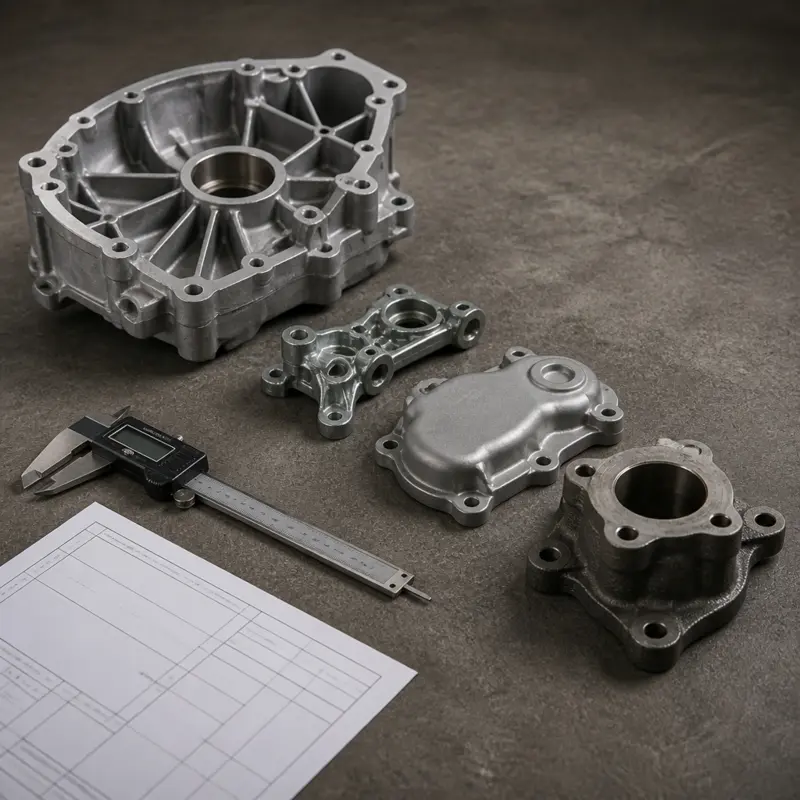
An alloy claim is worth what the paperwork behind it is worth. Every shipment can carry the documents your incoming inspection will ask for.
Mill Certificates
Material certificates to EN 10204 3.1 and certificates of analysis, tied to the melt lot that made your parts.
Full Lot Traceability
Tracking from incoming ingot through pour, heat treatment, machining and finishing, with a complete audit trail.
REACH and RoHS
Compliance documentation at both alloy and finished part level, plus conflict minerals reporting.
No Material Imposters
We double check incoming raw material with a spectrometer, so the metal in the furnace matches the certificate on the pallet.
Swipe for all four
Casting Materials FAQ
What materials are used in casting?
The main casting materials are aluminum, zinc, magnesium, carbon steel, stainless steel, brass and bronze. Titanium is also cast, but only by investment casting. Aluminum covers the largest share of production because it casts well in every process and stays light.
Which casting material is best?
Aluminum A380 suits most parts, because it balances strength, weight, cost and castability. Zinc wins on fine detail and tool life. Magnesium wins when weight is the whole point. Steel and stainless win when the part needs strength or corrosion resistance that no light alloy can give.
What is the difference between A380, ADC12 and A356?
A380 and ADC12 are close cousins used in high pressure die casting, with ADC12 more common in Asia and A380 in North America. A356 is a different job. It runs in gravity and low pressure casting, and it can be heat treated for higher strength.
What is Zamak?
Zamak is a family of zinc casting alloys with small additions of aluminum, magnesium and copper. We run Zamak 2, 3, 5 and 27. Zinc fills very thin walls, holds fine detail, and is gentle on the die, so tools last longer than they do in aluminum.
Can you cast titanium?
Yes, through investment casting in Grade 2/TA2 and Grade 5/TC4 (Ti-6Al-4V). Titanium cannot be die cast, because its melting point would wreck a steel die. Expect longer lead times and higher material cost than any other casting alloy we run.
Which casting alloys hold up best in saltwater or marine use?
Duplex stainless 2205 and 2207 and naval brass C48500 resist saltwater corrosion better than standard 316 stainless or brass. Both are investment cast, and we run naval brass for marine hardware such as yacht lighting housings.
How much does casting tooling cost?
Sand patterns run $500 to $5,000. Investment casting wax tooling runs $3,000 to $15,000. Gravity dies run $10,000 to $30,000. Die casting dies run $20,000 to $150,000 and up. Part size, cavity count and complexity move every one of these.
What tolerance can a casting hold?
Die castings hold NADCA standard tolerances of about ±0.010 in. Gravity and low pressure run ISO 8062 CT7 to CT9. Sand castings run CT9 to CT10. Any feature that needs tighter than the process allows is machined after casting.
Do castings come with material certificates?
Yes. Mill certificates to EN 10204 3.1, certificates of analysis, REACH and RoHS documentation, conflict minerals reporting, PPAP packages, first article inspection reports and CMM results are all available on request, with lot traceability from ingot to finished part.
How to Get a Casting Material Recommendation
STEP or IGES plus a 2D drawing. Tell us load, operating temperature, finish and annual volume through the quote form.
Our engineers confirm the alloy suits the process, flag wall thickness and draft issues, and say where a cheaper grade would perform the same.
Itemised tooling and piece price, the tolerance we will hold in that alloy, and one costed alternative where the choice is worth comparing.
Guides Behind These Casting Choices
Three reads that go deeper into alloy selection, tolerance and process cost.

Which Metal Is Best for Die Casting?
Aluminum, zinc or magnesium, weighed on strength, weight, castability, tool life and finishing.
Read the guide →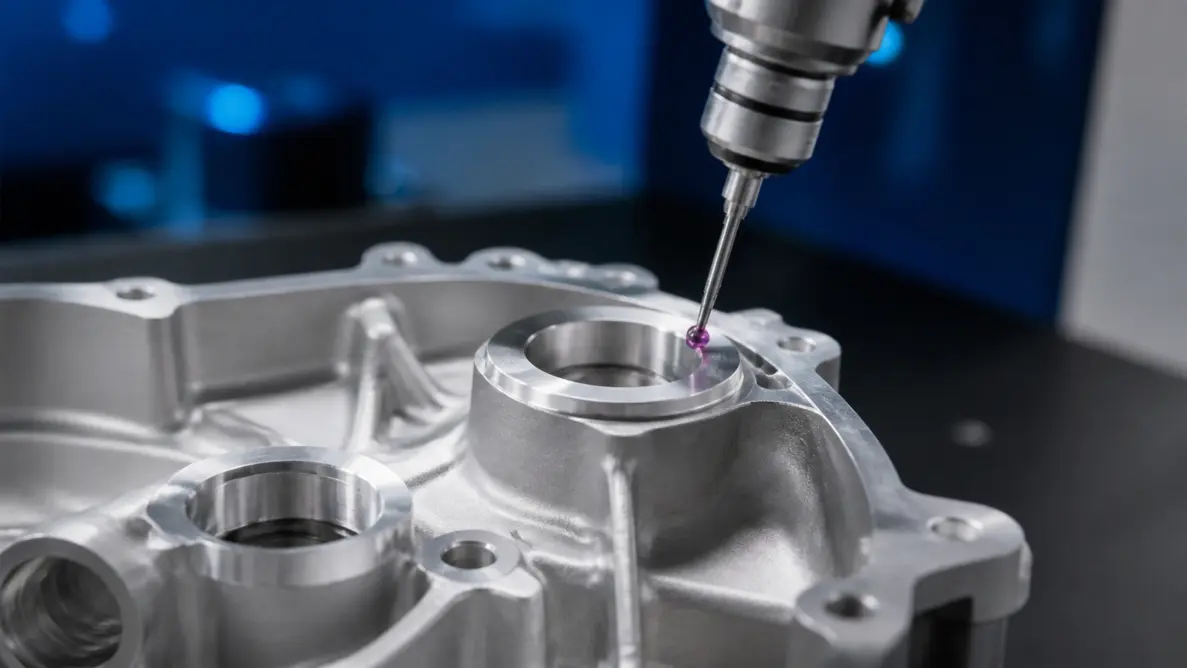
Die Casting Tolerances Explained
How NADCA linear, flatness and parting line tolerances work, and when to add a machining operation.
Read the guide →
The Die Casting Process Step by Step
Every stage from shot to ejection, and where alloy choice changes what the process can do.
Read the guide →Swipe for all three guides
