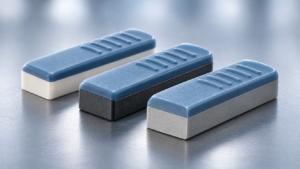
Overmolding Materials: Substrate Compatibility and Bonding
Choose compatible overmolding materials by comparing resin grades, bonding methods, surface preparation, mechanical retention, and sample testing.
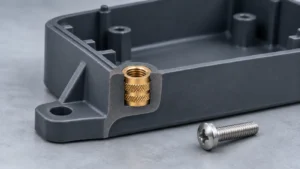
Insert Molded Parts: Design Considerations for Metal Inserts
Design reliable insert molded parts with proper metal insert placement, secure retention, plastic support, and functional testing.
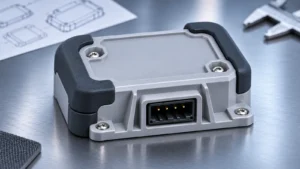
Overmolding Design Guidelines for Plastic Parts
Design reliable overmolded parts by planning shut-offs, thickness, edge retention, substrate support, draft, and final fit.
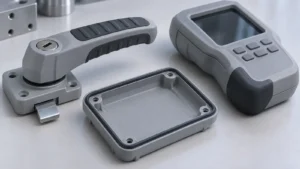
TPE Overmolding: Material Selection and Applications
Choose TPE overmolding grades for grips, seals, and cushioning based on hardness, wear, compression recovery, and testing.
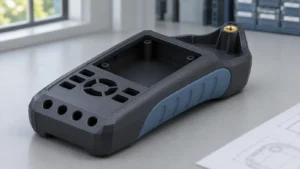
Overmolding vs Insert Molding: Which Should You Choose?
Compare overmolding for grips and seals with insert molding for threaded features, including tooling, costs, and testing.
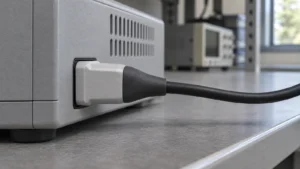
Overmolding Process, Materials and Part Design Guide
Overmolding adds functional layers to existing parts; explore material bonding, molding processes, tooling design, and sample testing.
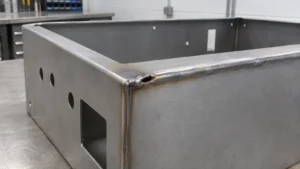
Burn Through Welding: Causes and Prevention in Thin Metal
Identify burn-through causes in thin metal welding and prevent holes through heat control, proper fit-up, and backing.
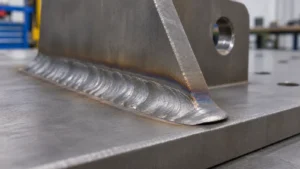
Weld Overlap Defect: Causes, Identification and Prevention
Close oblique view of a steel bracket fillet weld with a rounded lip extending onto the base plate at its lower toe
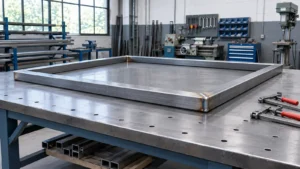
Welding Distortion: Causes and How to Minimize It
Welding distortion can bend or twist parts; heat control, balanced weld sequencing, and fixtures help preserve alignment.
