CNC Engineering Services: Design-Ready Parts From Concept to Production
Meco's CNC engineering services prepare, optimize, and validate every part before machining: DFM review, machinability analysis, CAD/CAM programming, tolerance stack-up, tooling design, and prototype validation.

What Are CNC Engineering Services?
CNC engineering services are the upfront technical tasks that prepare, optimize, and validate a part before machining begins. They include CAD model evaluation, Design for Manufacturability (DFM) analysis, material and machinability review, tolerance stack-up, CAD/CAM programming, tooling and fixture design, and prototype validation. The goal is to make sure every feature can be produced accurately, efficiently, and repeatably on CNC equipment.
By addressing manufacturability early, CNC engineering reduces cycle time, prevents costly redesigns, and improves dimensional consistency. These services bridge the gap between design and the shop floor, connecting your CAD files directly to real 3-, 4-, and 5-axis machining workflows across both metals and plastics.
At Meco, engineering is not a separate step handed off to a different vendor. Our engineers work alongside in-house machinists, so design decisions, toolpaths, and tolerances are validated against the equipment that will actually cut the part. For the full breakdown, read our guide to what CNC engineering services are, or explore our complete custom CNC machining services.
Axis Capability
3, 4 & 5-Axis
Multi-axis toolpath optimization.
Tightest Tolerance
±0.01 mm
CMM-verified on key features.
Quote Turnaround
Under 24 hrs
With free DFM feedback.
Quality Certification
IATF 16949
Includes ISO 9001:2015 requirements.
Our CNC Engineering Capabilities
Eight engineering disciplines that make every part ready for accurate, efficient machining.
Product & Process Design
We review your models and specifications to refine geometry, improve performance, and streamline machining operations before tooling is cut.
Machinability Analysis
Each material behaves differently when cut. Our engineers analyze cutting conditions, toolpaths, and features to improve stability and reduce risk.
Design for Manufacturability
DFM reviews identify ways to cut machining time, simplify setups, and hold critical dimensions, typically saving 15 to 30% on part cost.
CAD/CAM Programming
Models are prepared for efficient programming, with toolpaths, cutting strategies, and G-code verification aligned to multi-axis CNC workflows.
Tolerance Stack-Up
We examine how features interact across assemblies so dimensional requirements stay achievable, repeatable, and cost-effective.
Tooling & Fixtures
Custom fixtures and work-holding approaches support repeatable accuracy, stable setups, and shorter cycle times in production.
Prototype Validation
Early parts undergo dimensional checks and feedback loops to confirm geometry, material, and tolerances before full production.
Reverse Engineering
For legacy or reference components, we recreate accurate geometry and prepare machining-ready models, backed by our R&D engineering team.
How Our CNC Engineering Process Works
A clear, reliable path from concept to validated production that reduces risk and keeps accuracy consistent across prototypes and full-scale runs.
We assess your CAD models, tolerances, and surface-finish requirements, then flag ways to simplify machining, improve geometry stability, and reduce unnecessary cost.
We match your application to the right metal or plastic based on strength, cost, corrosion resistance, and machinability. See our sheet metal materials guide for reference.
Engineers prepare models for efficient programming, align cutting strategies to 3-, 4-, and 5-axis equipment, and verify G-code before any chips are cut.
Prototype parts and early samples are inspected to verify dimensions and confirm achievable tolerances before moving into volume.
During machining, in-process inspection, tooling verification, and CMM checks maintain stable, repeatable quality batch to batch, all under our IATF 16949:2016 system.
Engineering and Machining, Under One Roof
Our engineers work directly with in-house machinists, so every part is prepared for the equipment that will actually produce it.
Core Machining Coordination
Design decisions, toolpaths, and tolerances align with CNC turning, CNC milling, drilling, and tapping, so critical features are repeatable without extra setups.
Multi-Axis Optimization
Reviews incorporate 3-axis, 4-axis, and 5-axis strategies to cut cycle time, improve access to complex geometry, and hold tight accuracy.
Beyond Machining
When required, engineered parts integrate with casting, fabrication, and surface finishing, all coordinated to keep scale-up predictable.
Why Manufacturers Choose Meco for CNC Engineering
One accountable partner from design through production, with engineering built into the shop floor.
Engineering Integrated In-House
Research, DFM, programming, and machining run under one coordinated system, so there are fewer handoffs and higher precision from concept to CNC machining.
Factory Owner, Not a Broker
20,000 m² in Thailand and 16,000 m² in China. We own and operate every line, so engineering recommendations match real equipment.
DFM Before Tooling
Engineers optimize the design and material before tooling is cut, saving 15 to 30% on part cost. Free quote in under 24 hours.
IATF 16949:2016 Certified
Automotive-grade quality across every engineered part. APQP, PPAP, SPC, PFMEA, and EN 10204 3.1 material certification on request.
CNC Engineering Services Gallery
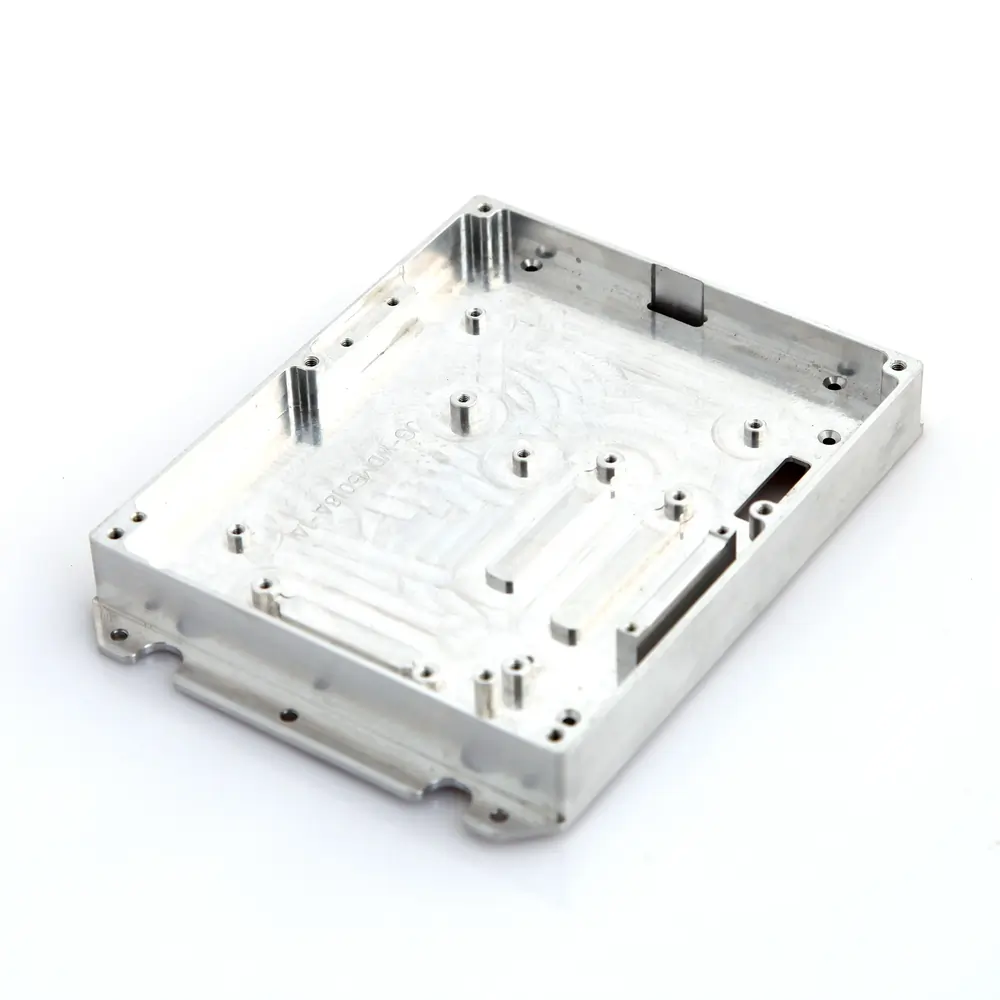
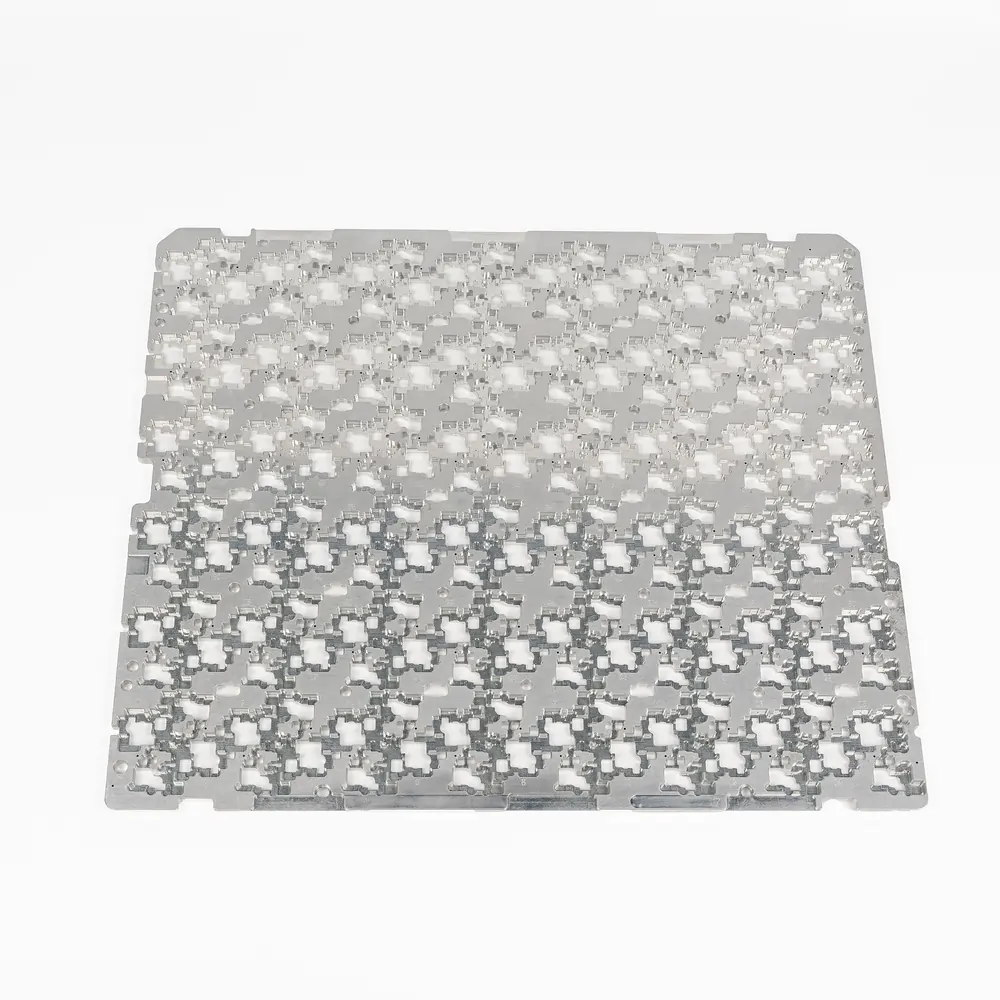
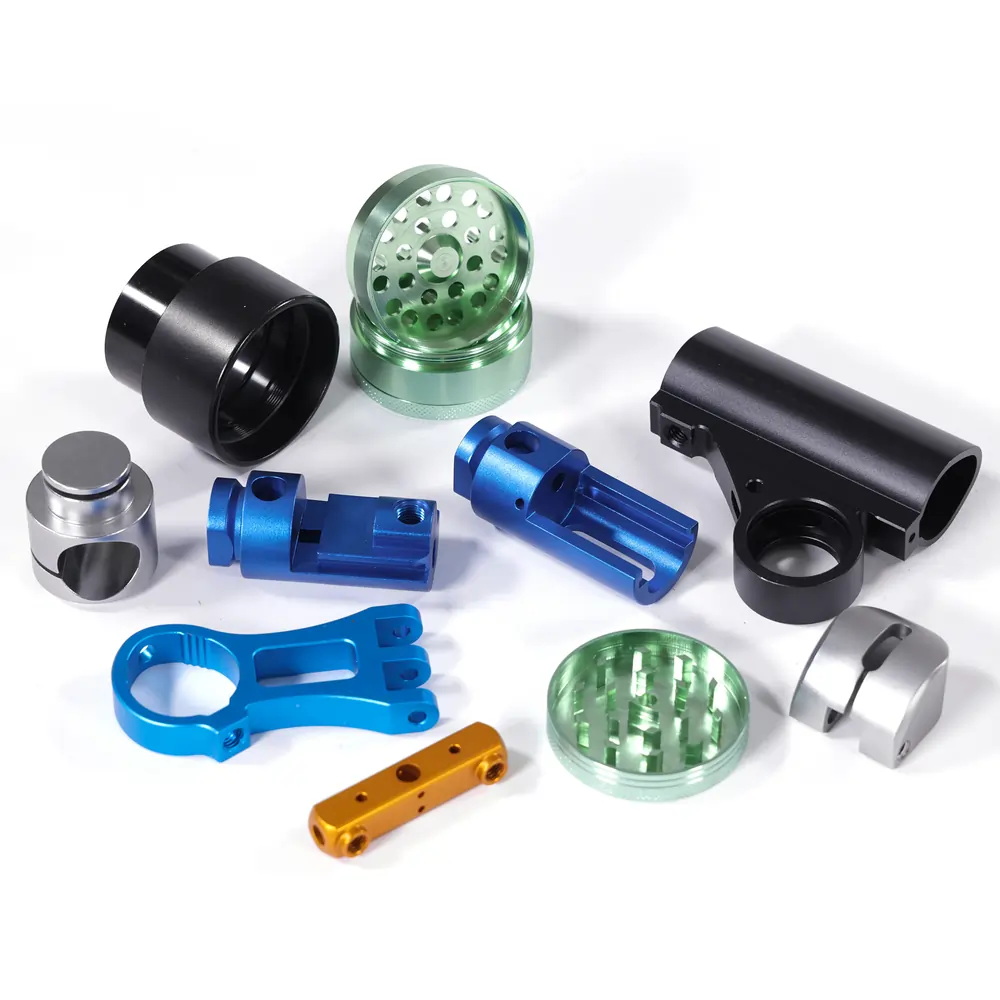
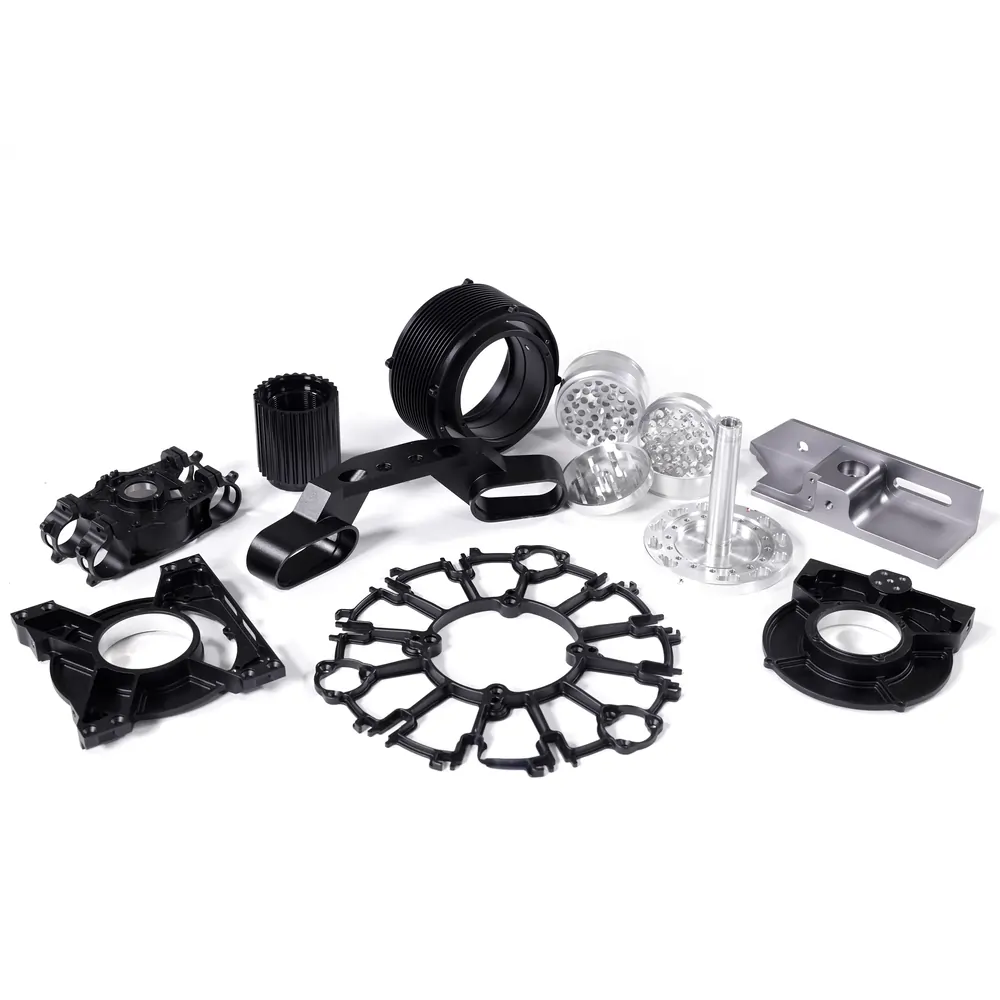
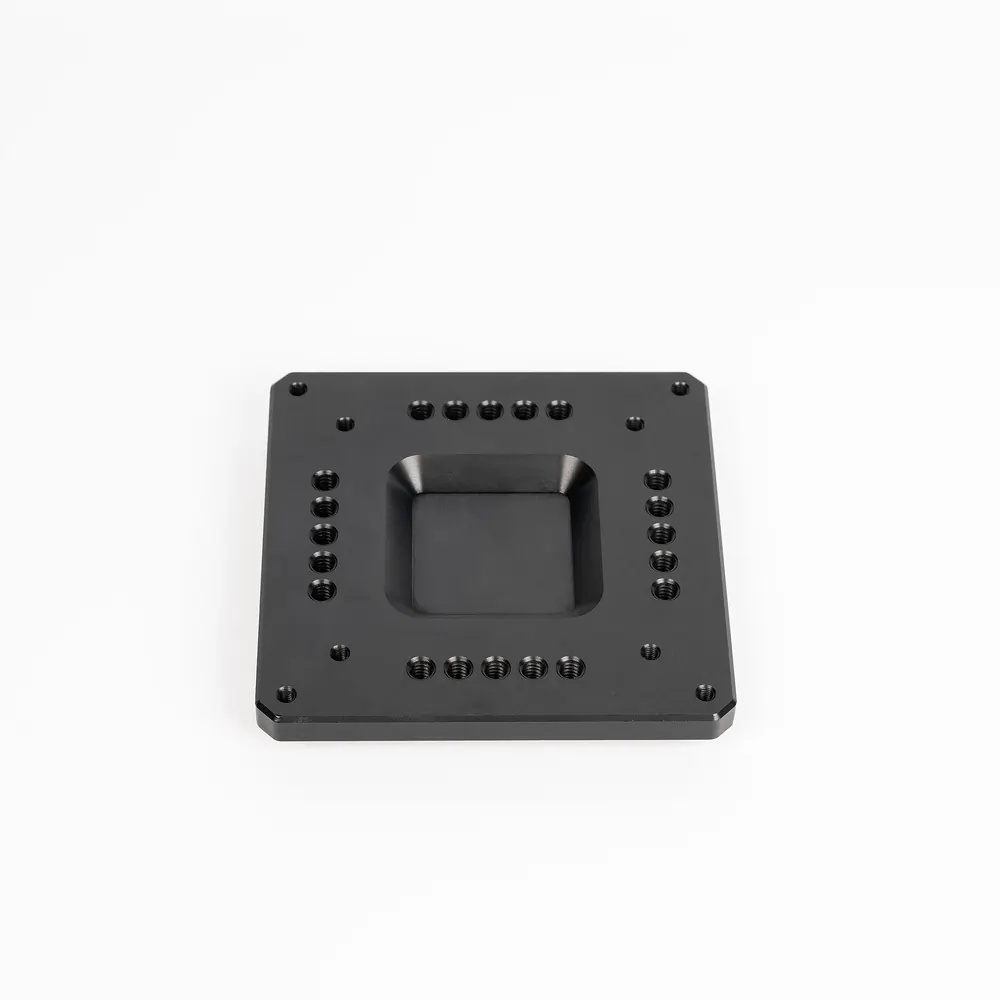
Examples of CNC-engineered parts, including prototypes, optimized geometries, and multi-axis machined components across metals and plastics.



Materials We Engineer For
CNC engineering covers machinability analysis and process planning for a wide range of metals and plastics commonly used in precision machining.
| Material Family | Common Grades |
|---|---|
| Aluminum | 1050, 3003, 5052, 6005, 6060, 6061, 6063, 6082, 7075, 2024 |
| Steel & Alloy Steel | Carbon steel, 4140, 4340, tool steels, case-hardening grades |
| Stainless Steel | 303, 304, 316, 17-4 PH, 420 |
| Copper & Alloys | Copper, brass, bronze |
| Titanium | Grade 2, Grade 5 (Ti-6Al-4V) |
| Engineering Plastics | ABS, PC, PA (Nylon), POM, PEEK, PTFE |
Why Manufacturers Choose Meco for CNC Engineering
Engineering, machining, and supply chain in one accountable system.
Engineering Integration
Research, development, machining, and supply chain operations run under one coordinated system. That means seamless communication, fewer handoffs, and higher precision from concept to production.
Precision & Repeatability
Achieve tolerances as tight as ±0.01 mm and surface finishes to Ra 0.4 µm. Our validation-driven process and CMM inspection keep quality consistent across every batch and material.
Flexible Volume Capability
Whether you need rapid prototype revisions or full production from 10 pieces to 10 million+, Meco scales without compromising accuracy or lead times.
Cost & Time Efficiency
By consolidating engineering, setups, and process management under one roof, Meco reduces overhead and gives you single-source accountability for both speed and cost control.
Local Support, Global Reach
With manufacturing in Thailand and China, U.S. engineering support, and warehousing across North America and Japan, we pair responsive service with global production scalability.
CNC Engineering Services FAQ
What are CNC engineering services?
CNC engineering services include the upfront technical work needed to prepare, optimize, and validate a part before machining. This typically involves CAD model evaluation, DFM analysis, material and machinability review, tolerance planning, CAD/CAM programming, and tooling design, so the part is ready for efficient, repeatable CNC machining. Read our complete guide to what CNC engineering services are.
What is the difference between CNC engineering and CNC machining?
CNC engineering focuses on design preparation, DFM analysis, and process planning. CNC machining is the physical step where material is removed by turning, milling, drilling, tapping, or multi-axis operations. Engineering ensures machining can be completed accurately, efficiently, and repeatably.
How do CNC engineering services improve manufacturability?
Engineering reviews identify features that are hard to machine, require unnecessary setups, or risk tolerance issues. By adjusting geometry, selecting the right material, and optimizing toolpaths, CNC engineering reduces machining time, minimizes risk, and improves dimensional consistency, typically saving 15 to 30% on part cost.
When should CNC engineering be involved in a project?
As early as possible, ideally during design or prototyping. Early DFM and material guidance prevent costly redesigns and ensure the part is machining-ready, whether for prototypes or full-scale production.
Can CNC engineering support 3-, 4-, and 5-axis machining?
Yes. Engineers evaluate tool access, geometry complexity, fixturing, and orientation for 3-axis, 4-axis, and 5-axis CNC machining. Multi-axis strategies reduce cycle time and let complex features be produced reliably.
Do CNC engineering services include CAD/CAM support?
Yes. CNC engineering includes CAD/CAM model preparation, toolpath setup, and G-code verification, so machining programs match part requirements and material characteristics.
Do CNC engineering services apply to both metals and plastics?
Yes. CNC engineering covers machinability analysis, material selection, and process planning for a wide range of metals (aluminum, steel, stainless, titanium) and engineering plastics (ABS, PC, Nylon, POM, PEEK).
How do CNC engineering services support assemblies?
Through tolerance stack-up analysis and interface optimization, engineering ensures multi-component assemblies fit and function correctly once machined. Parts can then move into our mechanical assembly services for full build.
How to Start a CNC Engineering Project
Upload STEP, IGES, or PDF drawings with material, finish, and volume targets via our quote form. Quote returned in under 24 hours.
Our engineers run a DFM review, recommend a material grade, and flag cost-saving design tweaks before any tooling or programming begins.
We prepare CAD/CAM toolpaths, verify G-code, run first articles, and ship FAI reports for your approval before production. See CNC drilling vs tapping for related process detail.
Full production with SPC, CMM inspection, and global logistics from Thailand, China, U.S., Canada, and Japan warehouses, all backed by IATF 16949:2016.
